The Strategic Chessboard: Why the Strait of Hormuz Matters
The Strait of Hormuz is more than just a narrow waterway; it is a critical artery of global commerce, through which an estimated one-fifth of the world's oil supply transits daily. For Iran, strategically positioned along the Strait's northern shore, this choke point represents both a vulnerability and a potent lever of influence against the international community, particularly the United States and its allies. Faced with a conventionally superior adversary, Iran has honed a unique and formidable doctrine of asymmetric warfare, primarily centered on its vast fleet of small, fast boats. This approach, often characterized by "swarm tactics," aims to negate the technological advantages of larger naval forces, turning the very geography of the Gulf into a strategic asset in any potential Iran oorlog Hormuz scenario.
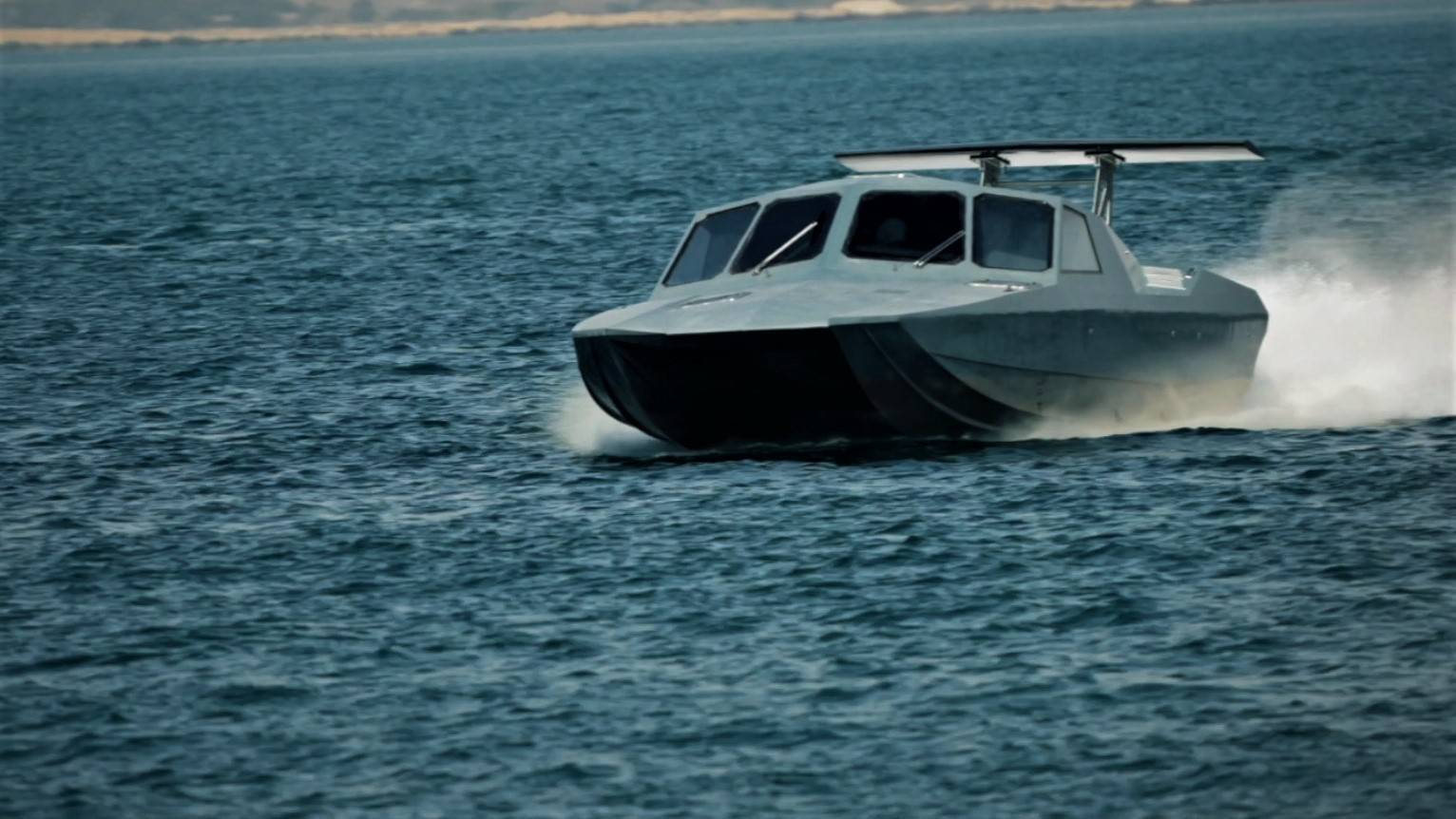
The Iranian Revolutionary Guard Corps (IRGC) operates an estimated fleet of over 1000 small boats, a testament to their commitment to this unconventional strategy. These vessels, ranging from armed speedboats to more substantial patrol craft, are designed for agility, stealth, and, crucially, numerical superiority. Their purpose is not to engage in head-on naval battles, which Iran would likely lose, but to overwhelm, harass, and disrupt. This strategy exploits the inherent challenges conventional navies face in detecting and neutralizing numerous small, rapidly maneuvering threats simultaneously, particularly in the complex, often shallow waters of the Persian Gulf and the Strait itself.
A Legacy of Harassment: Iran's Small Boat Doctrine from the Tanker War
Iran's reliance on small boats in asymmetric engagements is not a recent development. Its origins are deeply rooted in the crucible of the 1980s Tanker War with Iraq, a period when the Islamic Republic honed its tactics against both military and civilian shipping. During this conflict, Iranian small boats, often armed with rocket-propelled grenades (RPGs) and machine guns, inflicted significant damage on vessels traversing the Gulf. Their effectiveness lay not just in their firepower, but in their tactical deployment.
Iranian strategists during the Tanker War cleverly utilized the Gulf's unique geography. The small boats would operate predominantly in shallower, coastal waters, launching swift attacks before disappearing amidst the "multitude of islands, islets and coral reefs." This allowed them to evade detection and counter-attacks from larger, less agile warships. Beyond direct engagement, Iran also employed small boats for mine-laying, using rudimentary onboard cranes to sow naval mines that posed a continuous threat to shipping. This historical context is vital for understanding Iran's evolving small boat doctrine in Hormuz.
Initially, Iran experimented with what became known as "mass swarming tactics." This involved launching large numbers of small boats, sometimes over forty at once, to attack a single target simultaneously. While designed to overwhelm, these early mass swarm attacks proved highly vulnerable to the superior air power of the United States. A notable instance in October 1987 saw the IRGC retreat from a planned attack on Kuwaiti oil infrastructure in the face of a decisive Saudi/U.S. show of air and sea strength, demonstrating a key shortcoming of this initial strategy.
Key Takeaway from the Tanker War: While mass swarming showed potential for disruption, it highlighted Iran's vulnerability to aerial countermeasures. This lesson became a cornerstone of their strategic evolution.
Evolving Threats: Dispersed Swarming and the Shadow of Suicide Attacks
Learning from the shortcomings of the Tanker War, Iran officially embraced a revised doctrine for the "asymmetric" use of small boats. This new strategy moves away from concentrated, predictable "mass swarming" and instead advocates for "dispersed swarming." The revised approach calls for 20-plus boats to originate from multiple directions, attacking a target from various angles simultaneously. This significantly complicates defensive measures for conventional navies, as it fragments their focus, strains their sensors, and requires rapid, multi-directional response capabilities.
The tactical advantages of dispersed swarming are clear:
- Overwhelm Defense: Launching simultaneous attacks from multiple vectors makes it incredibly difficult for even advanced warships to engage every threat effectively.
- Sensor Saturation: A multitude of small, fast-moving targets creates significant radar clutter and can saturate sensor systems, making target identification and prioritization challenging.
- Psychological Impact: The sheer number of approaching threats can induce panic and confusion, degrading the crew's ability to react calmly and efficiently.
- Exploiting Blind Spots: Attacks from various directions can exploit a ship's blind spots or areas of lesser defensive coverage.
While neither Iran's official "mass swarming" nor its newer "asymmetric" doctrines explicitly endorse suicide attacks with small boats, the possibility remains a chilling undercurrent in strategic analyses. The effectiveness of suicide tactics, demonstrated by terrorist groups in various contexts, raises concerns that Iran might consider such a move in a desperate bid to close the Strait of Hormuz. The combination of a highly motivated crew, a boat packed with explosives, and a direct impact could cause catastrophic damage to tankers or even warships, particularly in the confined waters of the Strait. This adds another layer of complexity and potential lethality to the Iran oorlog Hormuz dynamic.
Expert Insight: Countering dispersed swarm tactics requires a multi-layered defense incorporating robust sensor fusion, advanced close-in weapon systems, and potentially even autonomous counter-swarm capabilities. The psychological element also necessitates rigorous crew training and preparedness.
Geopolitical Tensions and the Potential for Conflict
Iran's asymmetric small boat strategy in the Strait of Hormuz cannot be viewed in isolation; it is intricately linked to broader geopolitical tensions, particularly with the United States. Past US administrations have repeatedly expressed concerns over Iran's actions in the region, including its nuclear program and support for various proxy groups. Former President Donald Trump, for instance, famously warned Iran's supreme leader, Ayatollah Ali Khamenei, that he "should be very worried" about a U.S. military buildup and hinted at "very bad things" if Tehran attempted to restart its nuclear program.
These bellicose exchanges underscore the volatile nature of the relationship and the ever-present risk of escalation. For Iran, the threat of closing the Strait of Hormuz, primarily through the deployment of its small boat fleet, serves as a powerful deterrent and a bargaining chip. It's a way for Iran to signal that any military action against its nuclear facilities or a significant crackdown on its internal affairs could have immediate and devastating global economic consequences.
The Strait thus becomes a potential flashpoint. A kinetic engagement involving Iranian small boats, even if initially intended as harassment, could quickly spiral into a wider conflict. The dense maritime traffic, the confined waters, and the potential for miscalculation all contribute to a highly precarious environment. The international community watches closely, understanding that any significant disruption in the Strait would send shockwaves through global energy markets and beyond, underscoring the high stakes involved in the ongoing Iran oorlog Hormuz narrative.
Actionable Advice for International Shipping: Navigating the Strait of Hormuz requires heightened vigilance, adherence to maritime security advisories, and robust communication protocols. Understanding the patterns and potential threats from Iranian small boat operations is paramount for mitigating risk.
Conclusion
Iran's asymmetric warfare doctrine, particularly its sophisticated use of small boat swarm tactics in the Strait of Hormuz, presents a complex and enduring challenge to global maritime security. Evolving from the lessons of the Tanker War, Iran's shift to dispersed swarming, coupled with the ever-present specter of suicide attacks, underscores a calculated strategy to project power and deter a conventionally superior adversary. The sheer number of IRGC small boats, combined with the strategic importance of the Strait, means that any escalation in the ongoing tensions between Iran and global powers carries immense risks. As long as these geopolitical fault lines exist, the Strait of Hormuz will remain a critical flashpoint, where the agile tactics of small boats could ignite a larger Iran oorlog Hormuz conflict with far-reaching consequences.